By nyingmah Cidonnie
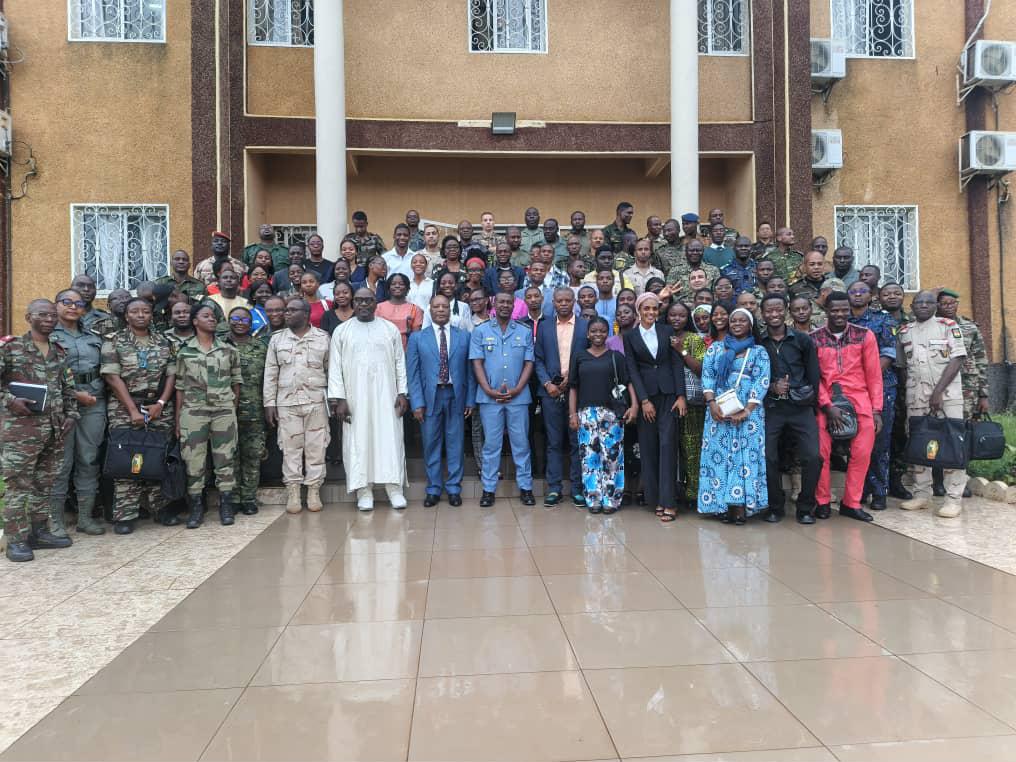
At the Advanced School of Mass Communication (ASMAC), learning goes far beyond the classroom. For Level III journalism students, education is increasingly shaped by practical experiences that prepare them for the realities of the profession.As part of this approach, students recently took part in an academic excursion to the War College in Yaoundé. The objective was clear: to expose them to a simulated press conference with military officials, offering a real-world learning environment.From the moment they arrived, the atmosphere reflected discipline, structure, and strict protocol. The setting itself became a teaching tool, showing students how communication operates in highly sensitive and strategic environments.During the exercise, students assumed the role of professional journalists. With microphones in hand and focused attention, they asked questions on complex issues such as national security, crisis management, and institutional communication. This was not just an exercise in questioning, but a lesson in responsibility—learning how to inform the public without crossing sensitive boundaries.According to their instructors, this kind of immersion is essential in journalism education. It allows students to move beyond theory and understand the deeper meaning behind information. Asking questions is important, but understanding the implications of answers is what defines a responsible journalist.For the students, the experience was both challenging and enlightening. It required concentration, adaptability, and confidence. Many realized the level of professionalism needed when dealing with high-level and strategic sources.This activity highlights the importance of practical training in education, especially in fields like journalism. By engaging with real-life scenarios, students are better equipped to handle complex topics and produce accurate, balanced, and ethical content.Through initiatives like this, institutions such as ASMAC continue to bridge the gap between academic learning and professional practice—preparing future journalists to report on sensitive issues with rigor, responsibility, and critical thinking.